Tag Archive for: save money

Today we are going to discuss why you should stop using snowball & avalanche (do this instead). There’s a Better Way to Get Out of Debt Most people try to get out of debt the same way. They use the snowball or the avalanche, and at first, it feels like the right move. However, life happens. Payments feel heavy, stress builds, and soon it gets hard to keep going. So, instead of getting ahead, people get stuck. But there is a better way, and it starts with one simple idea: pay the bank less.

Why Snowball & Avalanche Feel So Hard

The snowball method says to start with the smallest debt first, while the avalanche method says to start with the highest interest rate. Both sound smart, and yes, they can work. But here’s the problem: they don’t lower your payments, they don’t reduce your stress, and most importantly, they don’t fix the real issue. So even if you follow the plan, you still feel tight every month. Because of that, many people quit before they ever see real progress.

The Real Problem Is the Cost of Your Debt

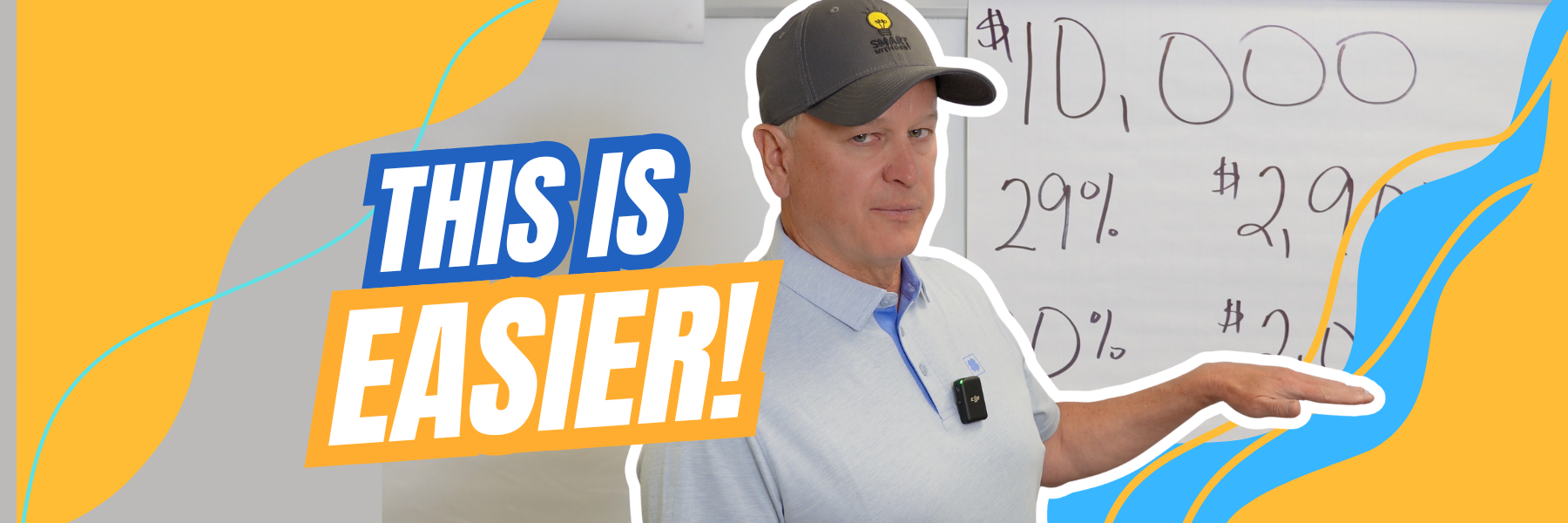
Before you try to pay off debt faster, you need to ask one simple question: what is my debt costing me? Not all debt is the same. In fact, two people can have the same $10,000 but pay very different amounts for it. For example, one person with a store credit card at 29% might pay about $2,900 per year in interest, while another with a regular credit card at 20% might pay about $2,000. Meanwhile, someone with a personal loan at 12% might pay $1,200, and someone with a home equity loan at 8% might pay $800. Finally, a person using a 0% card with a fee might only pay about $400. Same debt, very different cost.

Why Lowering Your Rate Changes Everything

Now, think about what that means. One person is paying over seven times more than another, even though the balance is the same. Because of that, one person struggles to make progress, while the other builds momentum quickly. So, it’s not just about how much debt you have. Instead, it’s about how much that debt is costing you every single month.

A Simple Example That Shows the Difference

Let’s take it one step further. Imagine you are paying $410 per month. With high-interest debt, you might be in debt for over three years and pay about $15,200 total. However, if you move that same debt into a lower-cost option, you could be done in about two years and pay around $11,552. And if you lower the cost even more, you might finish in just over two years and pay closer to $10,950. So not only do you get out of debt faster, but you also keep thousands of dollars and gain months of your life back.

The Better Strategy (What to Do Instead)

Because of this, the better strategy is simple. First, lower the cost of your debt. You can do that by looking at options like lower-rate personal loans, fixed-rate home equity loans, 0% balance transfer cards, or even credit union programs. Once you lower your rate, everything gets easier. Next, keep your payment the same. That way, more of your money goes toward the balance and less goes to interest. As a result, you move faster without working harder. Then, let momentum work for you. As your balance drops faster, your stress goes down, and your confidence starts to grow.

Two Ways to Win From Here

At this point, you actually have two strong options. First, you can keep your payment high and get out of debt faster, which means you finish sooner and pay less overall. Or second, you can lower your payment a bit and enjoy life now, whether that means going out more, helping family, or simply having more breathing room. Either way, you are still moving forward with a better plan.

Why This Works Better Than Snowball

The reason this works is simple. Snowball and avalanche focus on the order of your debts, while this strategy focuses on the cost. And cost is what really matters. You cannot out-earn high interest, and you cannot out-save bad debt. However, you can win when you pay less for your money.

Final Thought: Pay the Bank Less

At the end of the day, you don’t need another job, a strict budget, or to stop enjoying life. Instead, you need better debt. When you lower the cost, you create breathing room, build momentum, and get your life back sooner. So before you try to work harder, take a step back, look at your rates, and run the numbers. Because once you do, you will see a better path forward.

Watch our most recent video to find out more about why you should: Stop Using Snowball & Avalanche (Do This Instead)
0 Comments/by

Today we are going to discuss when refinancing makes sense (even with a low rate). Many homeowners ask a simple question:

“Why would I refinance if I already have a good rate?”

At first, that sounds like an easy answer. However, the truth is a little different. Because refinancing is not always about the rate. Instead, it is often about your payments, your goals, and your timeline. So before you decide anything, the smart move is simple. Run the test. Look at where you are now. Then compare it to where a refinance might take you.

First, Run a Simple Refinance Test

Before anything else, start with the numbers.

You only need to compare two things:

  1. What your payment is now

  2. What your payment would be after refinancing

Next, look at how long you plan to keep the loan.

For example, you might keep the loan for:

  • 3 years

  • 5 years

  • 10 years

However, most people do not keep a mortgage for the full 30 years. Therefore, the real test is how the loan works during the time you expect to keep it. So once you know those numbers, you can quickly see which option puts you in the better position.

Sometimes a Higher Rate Can Still Lower Your Payment

This surprises many homeowners.

Even if rates go up, refinancing can still help your monthly payment.

Here is why.

Let’s say you have:

  • 20 years left on your mortgage

  • A 4.5% rate

  • A payment of $1,800 per month

Now imagine you refinance into a new 30-year loan at 6%. Even though the rate is higher, the payment might drop to $1,450 per month. So in this case, the rate increased. However, the payment went down. Therefore, the question becomes simple: Would $350 per month help your life right now? For many families, the answer is yes.

Lower Payments Can Create Breathing Room

Sometimes life changes. Maybe expenses go up. Maybe income changes. Or maybe you just want more breathing room in your budget. Because of that, refinancing can give you relief.

For example, a lower payment can help you:

  • Reduce monthly stress

  • Free up money for savings

  • Handle short-term financial pressure

  • Give your budget more flexibility

So even with a higher rate, a refinance can still help you stabilize your monthly cash flow.

Another Reason: Debt Consolidation

Sometimes the mortgage is the lowest-cost debt available.

Therefore, some homeowners refinance to consolidate other debt.

For example, someone might have:

  • $20,000 in credit card balances

  • $15,000 in personal loans

Those payments might add up to $700 or $800 per month. However, rolling that debt into a refinance could lower the total payment. As a result, the monthly budget becomes easier to manage. Again, this does not mean refinancing is always the answer. However, running the numbers will quickly show you if it helps.

Focus on the Time You Plan to Keep the Loan

Many people make a common mistake. They look at the 30-year total cost of the loan. However, that number often does not matter. Because most homeowners refinance, sell, or move long before the loan ends. Therefore, the real test looks like this:

Monthly payment × months you plan to keep the loan

For example:

If you plan to keep the mortgage 3 years, then run the numbers for 36 payments.

Then compare:

  • Your current loan payments over 36 months

  • Your refinance payments over 36 months

  • Plus the closing costs of the refinance

Once you do that math, the answer usually becomes clear.

Ignore the Noise and Focus on Your Situation

Many people get advice from everywhere. Neighbors. Friends. News headlines. Social media. However, those opinions do not know your numbers. Therefore, the only thing that matters is what works for your situation.

Ask yourself:

  • Do I want a lower payment right now?

  • Am I trying to simplify my debt?

  • Do I want more breathing room in my budget?

Once you answer those questions, the math will guide the decision.

Good Debt Should Make Life Easier

Debt should help your life. It should help you buy a home, build stability, and move forward. However, it should not create constant stress. Because of that, refinancing can sometimes improve your position, even when the rate goes up.

Again, the key is simple.

Run the numbers.

Compare:

  • Your payment today

  • Your possible payment after refinancing

  • The cost during the time you plan to keep the loan

Once you see those numbers, you will know what makes the most sense.

Run Your Numbers First

Before talking to any lender, take a few minutes to test the numbers yourself.

Because when you understand your payments first, you can make decisions with clarity and confidence.

👉 Use our free refinance calculator to run your test.

It only takes a minute.

However, it can quickly show you which option puts you and your family in the best position now and in the future.

0 Comments/by