Tag Archive for: HELOC

Today we are going to discuss how you can enjoy life more with smarter debt! Clarity Comes First. Confidence Follows.

Let’s be honest.

Most of us carry more debt through life than savings or retirement. In fact, for many people, debt stays with them longer than any investment account ever will.

So, because debt will be part of life anyway, why not enjoy it instead of stressing over it?

That starts with clarity.
And then, confidence follows.

Debt Isn’t the Problem. Confusion Is.

Debt itself isn’t bad.
However, not understanding how debt works causes stress.

Because of that confusion, one person can live next door to someone else and pay one-third less for the same exact debt.

For example:

  • One person with $10,000 in debt pays about $75 per month

  • Meanwhile, their neighbor pays $300 per month

  • Same debt

  • Very different outcome

So, the difference isn’t effort.
Instead, the difference is simple math and better choices.

Smarter Debt = Paying Less

Being smart with debt means two things:

  • First, you pay less every month

  • Second, you pay less over the life of the loan

As a result, you keep more money in your life.

Not later.
Not someday.
But right now.

Because when you pay less, you don’t need a second job.
Instead, you simply manage debt better.

Why This Matters in Real Life

Let’s look at the bigger picture.

According to the Federal Reserve:

  • The median retirement savings is about $87,000

  • The average retirement savings is about $334,000, mostly due to high earners

  • Meanwhile, the average non-retirement savings is about $62,000

  • And many people have closer to $8,000

So, clearly, savings alone won’t fix the problem.

However, here’s the good news.

Most people could double or triple that gap simply by paying less for debt.

No extra hours.
No side hustles.
Just smarter math.

A Simple Credit Example That Changes Everything

Now let’s walk through a real-world example.

Over 30 years, someone:

  • Owns a $450,000 home

  • Buys six vehicles

  • Carries one $6,500 credit card

That’s it.

Now compare three people:

  • One manages credit well

  • One manages it okay

  • One doesn’t manage it at all

The monthly difference between them?

About $300 per month, every month, for 30 years.

That equals $110,000 in real cash.

And when you add a reasonable 6% interest return, that money grows to about $352,000.

That money didn’t need to go to the bank.

When Debt Is Managed Poorly, It Gets Worse

If credit stays unmanaged or poor, the gap grows fast.

In that case:

  • The extra cost becomes $900 to $1,000 per month

  • Over time, that’s $332,000 in hard cash

  • With interest, it crosses seven figures

So, instead of building a better life, that money builds bank buildings.

That’s the problem.

The Goal Isn’t No Debt. The Goal Is Better Debt.

Many people think the goal is to eliminate debt.

However, that’s not always realistic.

Instead, the real goal is this:

  • Pay the least amount possible

  • Keep more money in your life

  • Reduce stress

  • Enjoy life more

That extra money can go toward:

  • Paying debt down faster

  • Traveling

  • Going out to dinner

  • Simply breathing easier

Because life feels better when money flows toward you, not away from you.

Why People Pay Different Amounts for the Same Debt

1. They Don’t Know Where to Shop

First of all, where you shop matters.

Banks and large credit unions price debt very differently.

In most cases:

  • Large credit unions offer lower rates

  • They also offer lower costs

  • And better long-term value

So, shopping smarter saves money immediately.

2. They Don’t Make Themselves Look Good

Next, credit score matters.

When your score goes up:

  • Rates go down

  • Terms improve

  • Lifetime costs drop

And when you pay less, you enjoy more.

So, understanding your credit score is one of the fastest ways to bring more money into your life.

3. They Avoid the Simple Math

Finally, many people would rather work overtime than spend 10 minutes understanding debt.

That doesn’t make sense.

Because debt math is simple:

  • Add up what you pay each month

  • Add up what you pay over the life of the loan

Then aim to pay the least.

That effort takes less time than a second job and pays far more.

Clarity → Confidence → Certainty

Once you get clear, everything changes.

Because:

  • Clarity leads to confidence

  • Confidence leads to certainty

  • Certainty leads to better decisions

And better decisions lead to more money in your life.

Not perfection.
Not magic.
Just progress.

This Works for All Debt

This applies to:

  • Credit cards

  • Student loans

  • HELOCs

  • Mortgages

  • Car loans

In every case, the rule stays the same:

Pay the least you can.

Use their money.
Don’t let it use you.

The Smart With Debt Checklist

Here’s the simple checklist we use:

  1. Know your numbers
    Know what you pay monthly and over time.

  2. Know your options
    Understand what choices exist.

  3. Know where to shop
    Large credit unions often win here.

  4. Look your best
    A better credit score brings instant savings.

  5. Review regularly
    Minutes per month can change everything.

Because debt isn’t a burden.
Instead, it’s a tool.

Enjoy Life More by Paying Less

Debt doesn’t have to feel heavy.
It doesn’t have to feel scary.

When you manage it well, debt simply becomes part of life—a cheaper part.

So, flip the script.

Pay less.
Stress less.
Enjoy more.

The banks will be fine.
Now it’s time for you to be better off too.

Watch our most recent video to find out more about: Enjoy Life More With Better, Cheaper, Smarter Debt

Contact us today to find out more! 

0 Comments/by

When it comes to borrowing money, many people wonder:
Is a HELOC more dangerous than a credit card?

The answer?
Yes… and no.

Let’s break it down using real examples so you can decide what’s right for your situation.

How HELOCs Are Less Risky Than Credit Cards

Let’s start with interest. That’s the big one.

  • Most credit cards charge around 24% interest.

  • A HELOC (Home Equity Line of Credit) is closer to 8%.

So, if you owe $10,000

  • A credit card might cost you $2,400/year in interest.

  • A HELOC? Just $800/year.

That’s a difference of $1,600 — and that money stays in your pocket instead of going to the banks.

That’s a huge win for your budget.

Lower monthly payments mean less stress and fewer risks of falling behind. You’re also not paying extra just to carry the debt.

How HELOCs Are More Risky Than Credit Cards

Now let’s talk about the risk.

A HELOC is a mortgage. That means it’s tied to your house. If something goes wrong and you miss payments:

  • It affects your credit more than a credit card would.

  • You could even face foreclosure.

That’s a big deal.

You’re giving up equity in your home and putting your property on the line. This is why you should only use a HELOC if you know where your repayment will come from.

If lowering your interest helps you get ahead, great.
But if you’re falling behind already, a HELOC might only delay the problem.

What About a Refinance Instead?

If you’re thinking about using your home to consolidate debt, a HELOC is usually a smarter option than a full refinance.

Here’s why:

  • Refinances roll your entire mortgage into the new loan.

  • If your current mortgage is at 3%, why bump the whole thing to 6% or 7%?

  • A HELOC lets you borrow just what you need, at a lower cost (sometimes as little as $500 vs. $5,000+ for a refinance).

Plus, most HELOCs let you borrow up to 80–85% of your home’s value.

So, Is a HELOC More Dangerous?

Only if you’re not careful.

✅ If you need to lower your payments and have a plan:
A HELOC can save you thousands and reduce financial stress.

⚠️ But if you’re struggling to make payments already:
Tying that debt to your house could make things worse.

Download Free Tools

Want to see the real numbers for yourself?

📥 Download our free tools at Smart with Debt:

  • Credit Cards vs HELOCs

  • Refinance vs HELOCs

These side-by-side comparisons show how much you could save — or risk — based on your situation.

Make your debt work for you, not against you. Contact us today to find out more.
That’s what being Smart with Debt is all about.

Watch our most recent video: “Is a HELOC More Dangerous Than a Credit Card?”

0 Comments/by

Today we are going to discuss HELOC Rates: Where are they now and where are they going? HELOC rates have been shifting, and if you’re thinking about tapping into your home’s equity, now is the time to understand where they stand. Over the past year, rates have dropped, and many experts predict they will continue to go down. But should you wait, or is now the right time to get a HELOC? In this guide, we’ll break down where rates have been, where they are now, and what you can expect in the coming months.

Where Have HELOC Rates Been?

Over the last 12 months, HELOC rates have been on a slow but steady decline. The prime rate, which HELOCs are based on, has dropped to 7.5%. This means that if you qualify for a good HELOC, your interest rate should be around 7-8%.

Where Are HELOC Rates Now?

Right now, the average HELOC rate sits around 7.5% to 8%, depending on the lender and your credit profile. Here’s how HELOCs compare to other types of debt:

  • HELOCs: Around 7.5% – 8%
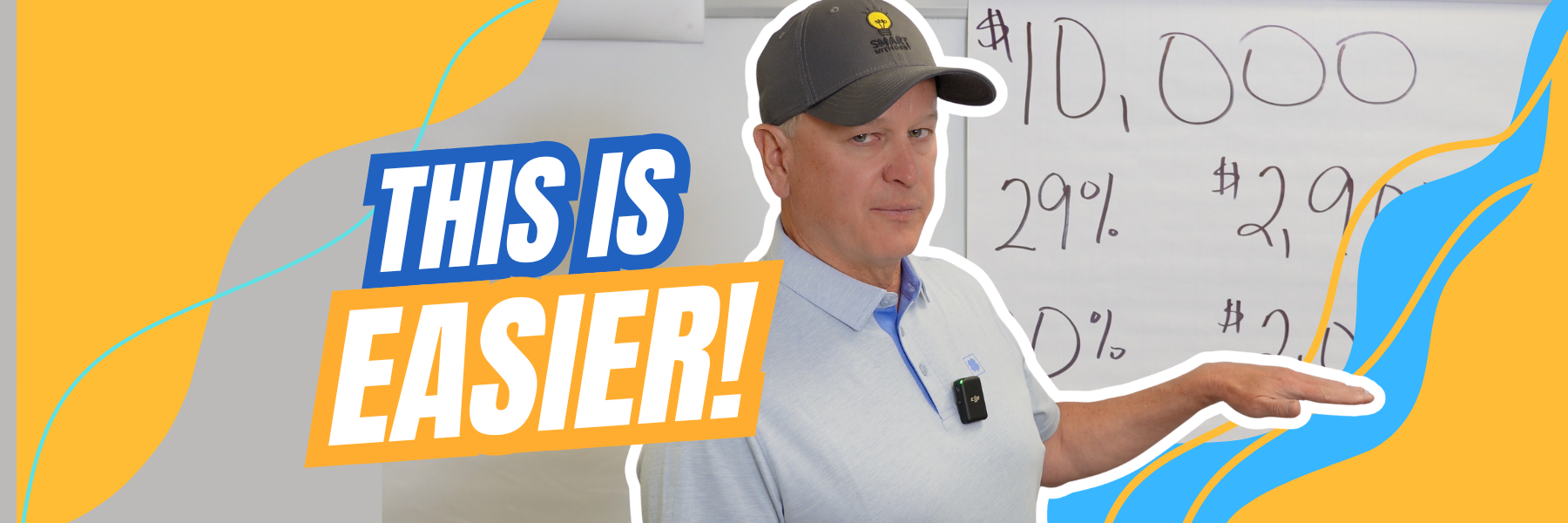
  • Credit Cards: Around 24% – 29%
  • Home Improvement Store Cards: Over 29%

For those looking to consolidate debt, a HELOC is currently about one-third the cost of credit card interest.

Where Are HELOC Rates Going?

Most experts expect rates to continue decreasing over the next 12-24 months. If the Federal Reserve lowers its rates, the prime rate will drop too. Since HELOCs are tied to the prime rate, your interest rate will go down automatically.

Should You Wait for Rates to Drop?

No! If you need a HELOC now, don’t wait. Here’s why:

  • HELOC rates adjust downward when rates drop, so you benefit automatically.
  • The money saved from consolidating high-interest debt now outweighs any small rate decrease in the future.
  • HELOCs are cheap and easy to refinance, so you can switch to a better rate later if needed.

HELOC vs. Cash-Out Refinance: Which is Better?

For most people, a HELOC is a better option than refinancing their mortgage. Here’s why:

  • HELOCs keep your low mortgage rate intact. A cash-out refi could mean going from a 3-4% mortgage rate to 6-7%.
  • HELOCs only apply to what you borrow. You don’t pay interest on unused funds.
  • Cash-out refinances combine your good mortgage debt with bad debt. This increases your overall interest costs.

How to Find the Best HELOC Rates

Not all HELOCs are priced the same. Every lender adds a margin to the prime rate, which affects your final interest rate. To get the best deal:

  • Shop around. Credit unions and regional banks often have the lowest margins.
  • Look for a margin of 0% or lower. Some lenders offer negative margins, meaning your rate could be below prime.
  • Avoid high closing costs. Most HELOCs cost $200-$500, but some lenders charge thousands.

HELOCs Are Great for More Than Just Debt Consolidation

While many use HELOCs to pay off high-interest debt, they’re also useful for:

  • Home improvements – Increase your home’s value or make it more comfortable.
  • Cash flow management – Use it to cover short-term expenses and pay it back quickly.
  • Unexpected expenses – Keep funds available for emergencies.

Don’t Wait – Take Advantage of HELOC Savings Now

If you have high-interest debt, waiting to get a HELOC could cost you hundreds per month in extra interest. Since HELOCs are easy to refinance, there’s no reason to delay. Lock in a lower rate now and benefit even more if rates drop later.

Use our HELOC Shopping Guide (link below) to compare lenders and find the best rate for your needs.

Have Questions?

Leave a comment or reach out, we’re happy to help! Contact us today to find out more!

Watch our most recent video to find out more about HELOC Rates: Where are they now and where are they going?


0 Comments/by

Today we are going to discuss debt consolidation exposed: Do it the right way! The numbers don’t lie. We’re going to show you how to pay less instead of falling into a massive debt trap. If you’ve been told that consolidating debt with a new mortgage is the best move, think again.

What’s the Goal of Debt Consolidation?

For most people, lowering their monthly payments is the top priority. However, here’s the problem. Most lenders and TV personalities only focus on monthly payments instead of total debt costs.

At Smart With Debt, we love debt, when it’s used the right way. We believe in good, healthy debt that keeps more money in your pocket, not the lender’s.

So, let’s break down the numbers as well as expose the real cost of debt consolidation.

The $200,000 Debt Mistake

Let’s look at an example of a homeowner trying to consolidate debt:

  • Original Mortgage: $300,000 at 4% interest (from four years ago).
  • Current Mortgage Balance: $277,000 with 312 payments left (26 years).
  • Credit Card Debt: $30,000 across three cards at 21-24% interest.
  • Total Monthly Payments: $2,432 (Mortgage: $1,400 + Credit Cards: $1,000).

The goal? Lower the payments. But watch how lenders trick you into paying far more in the long run.

Refinancing at 7%: A Costly Move

If you refinance your $277,000 mortgage today at 7% interest, your new mortgage payment would be:

  • New Mortgage Payment: $1,800 per month.
  • New Loan Term: 30 years (360 payments).
  • Total Interest Paid Over Time: $664,000!

That’s over $200,000 MORE than your current loan!

Now, what if you refinance both your mortgage and your $30,000 credit card debt into one new loan?

  • New Loan Amount: $312,000 at 7%
  • New Payment: $2,075 per month (Yes, slightly lower)
  • Total Debt Paid Over Time: $747,000!

You just turned a $30,000 problem into a $747,000 mistake!

This is what lenders aren’t telling you.

The Right Way to Consolidate Debt

fInstead of rolling everything into a new mortgage at a higher rate, try this instead:

First, Keep Your Mortgage Intact.

  • You already have a low rate (4%)don’t touch it!

Second, Use a Home Equity Loan Instead.

  • A fixed-rate home equity loan at 8% costs much less over time than refinancing your whole mortgage.
  • Loan Amount: $31,000 (credit card debt + closing costs).
  • New Payment: $376 per month (over 10 years).

Third, New Total Monthly Payment:

  • Mortgage ($1,400) + Home Equity Loan ($376) = $1,776 per month.

You save money upfront AND in the long run.

Key Takeaways: The Smartest Debt Strategy

  • Leave your low-rate mortgage alone!
  • Use a home equity loan to tackle high-interest debt.
  • Lower your payments AND reduce your total debt cost.
  • Avoid the debt trap of long-term refinancing!

Calculate Your Best Option

Want to see how this works with your numbers? Use our free Smart With Debt Calculator to compare:
Refinancing vs. Home Equity Loan
Total Interest Paid Over Time
Monthly Payment Breakdown

Download the calculator today!

Watch our most recent video to find out more about: Debt consolidation exposed: Do it the right way!

0 Comments/by

Today we are going to talk about hidden wealth in your home. Unlocking the hidden wealth in your home starts with understanding how a HELOC (Home Equity Line of Credit) works as well as how to qualify for one. Let’s break it down step-by-step, so you can see if this option works for your needs.

What is a HELOC?

A HELOC is like having a financial safety net. It’s a second mortgage that lets you borrow money based on your home’s equity while keeping your existing mortgage in place.

Here’s the key: A HELOC is tied to your home’s lendable equity, which depends on your property value as well as how much you still owe on your first mortgage.

How Lenders Calculate HELOC Amounts

Everything comes down to CLTV (Combined Loan-to-Value). This calculation determines how much equity you can access.

Here’s how it works:

  1. Determine Your Home’s Value


    Find your property’s current market value. Use tools like Zillow or Redfin for a quick estimate or check with a local appraiser.

  2. Know Your Current Mortgage Balance


    Look at your latest mortgage statement to see what you still owe.

  3. Calculate Lendable Equity


    Most lenders allow between 80% and 90% CLTV. Multiply your home’s value by the lender’s CLTV percentage, then subtract your current mortgage balance.

Example:

  • Home Value: $400,000
  • Lender’s CLTV: 85%
  • Current Mortgage: $280,000

Calculation:

  • $400,000 × 85% = $340,000
  • $340,000 – $280,000 = $60,000 of available equity for a HELOC.

Why Choose a HELOC Over a Cash-Out Refinance?

To clarify, HELOCs are often better for smaller, flexible borrowing needs:

First, Lower Costs: No need to refinance your first mortgage, avoiding high closing costs.

Second, Keep Your Low Rate: If your existing mortgage has a great rate (e.g., 3%), you keep it intact.

Finally, Flexibility: Borrow only what you need, when you need it.

In most cases, you can access 5–10% more equity with a HELOC compared to a cash-out refinance.

How to Shop for the Best HELOC

  1. Compare Lenders: Start with local credit unions or mid-sized banks—they often offer the best terms.
  2. Focus on CLTV and Rates: Higher CLTV percentages and lower rates can save you money.
  3. Use Tools to Compare: Download our free HELOC Shopping Scorecard to track offers and find the best deal.

Take Control of Your Home’s Equity

In conclusion, a HELOC offers more than just money, it gives you options. Whether you’re funding home improvements, consolidating debt, or creating an emergency fund, your home’s hidden wealth can help you get there.

Start today by calculating your CLTV and comparing lenders. Smart debt is the key to paying less interest and keeping more money in your pocket.

Contact us today to find out more about: Hidden Wealth in Your Home: HELOC Qualification Breakdown

Watch our most recent video to see the calculations step by step! 

0 Comments/by